Upcoming Events

Mayor Melvin Carter
Melvin Carter is the 46th, and first African-American mayor of the City of Saint Paul, Minnesota’s Capital City.
A fifth-generation Saint Paul resident, Mayor Carter leads with an unapologetic equity agenda. Since taking office in 2018, his accomplishments include raising the city’s minimum wage to $15/hour; tripling free programs in rec centers; eliminating late fines in public libraries; reestablishing an Affordable Housing Trust Fund; expanding immigrant & refugee support resources, and launching an Office of Financial Empowerment. One signature initiative is CollegeBound Saint Paul, Mayor Carter’s plan to start every child born in the city with a $50 College Savings Account, starting January 1, 2020.
City Council
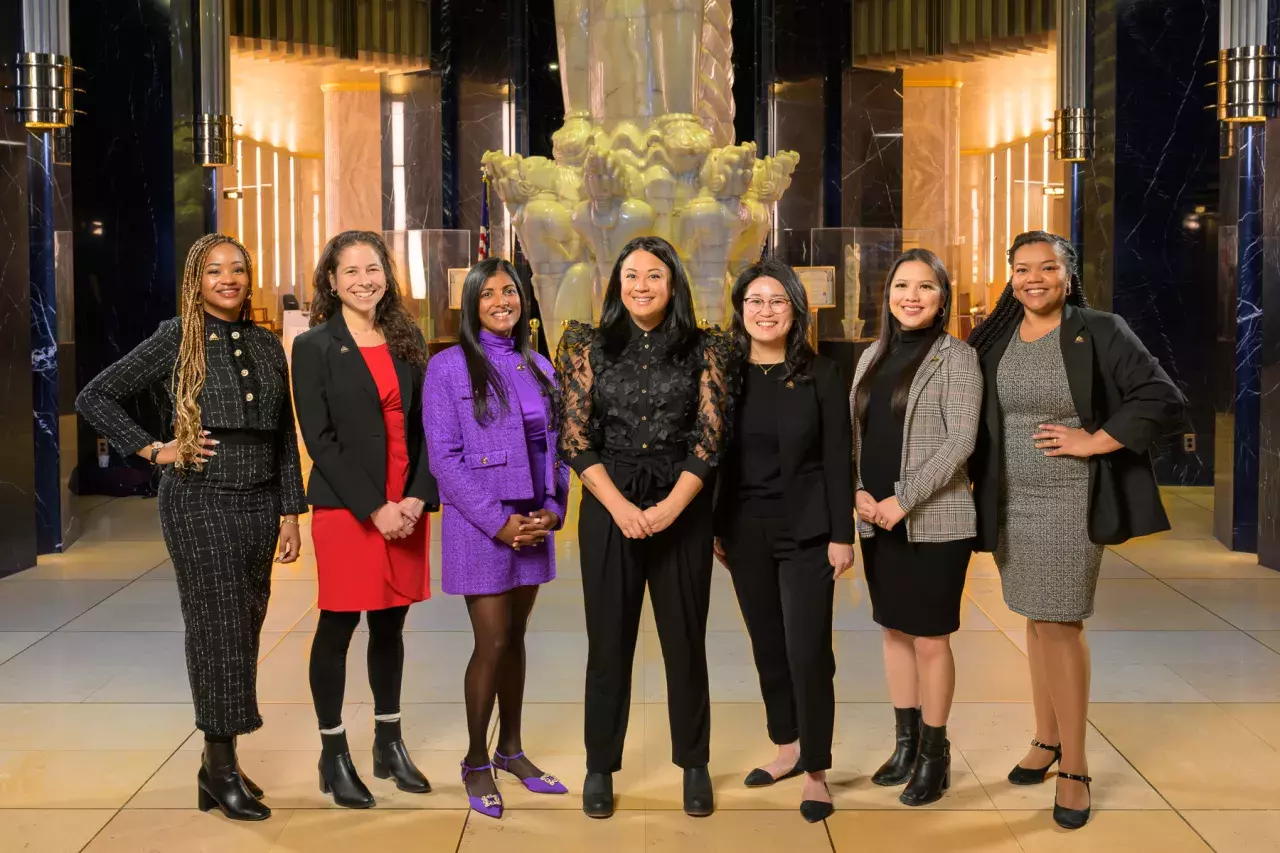
As the legislative body, the City Council is responsible for setting City policy through ordinances and resolutions. The Council also has sole responsibility for adopting the City’s budget. The Council legislates by passing Ordinances which become City laws. The Council also makes performance auditing decisions and monitors the operation and performance of city agencies and holds regular oversight hearings on city departments to determine how programs are working and whether budgeted funds are being spent well. In its decision-making roles, the City Council actively involves the public through its weekly public meetings.
Latest News
Saint Paul City Council Adopts Policy to Ensure New Development is Ready for Electric Vehicles
Ordinance 24-5 requires new and expanded surface parking lots to provide conduit and electric panel space necessary for future installation of electric vehicle chargers, guaranteeing more equitable access to EV charging for all residents regardless of home type.
Read MoreRELEASE: Celebrate Earth Day at Saint Paul’s 38th annual Citywide Spring Cleanup on April 20
Thousands of community volunteers will unite this Sat., April 20 from 9:00 – 11:30 a.m. for the 38th annual Citywide Spring Cleanup to help beautify the city and celebrate Earth Day. Volunteers of all ages are invited to help City staff and local organizations remove the trash that has accumulated over the winter in Saint Paul's parks and neighborhoods.
Read MoreSaint Paul To Begin Annual Residential Streets Spring Sweeping
Saint Paul Public Works will sweep more than 530 miles of residential streets and 330 miles of alleys starting April 16, 2024
Read MoreRequest for Proposals for Saint Paul Naturally Occurring Affordable Housing (NOAH) Preservation Fund
The Housing and Redevelopment Authority (HRA) of the City of Saint Paul is now accepting proposals for 0% interest deferred loans to support acquisitions of unsubsidized rental properties through the new Naturally Occurring Affordable Housing (NOAH) Preservation Fund.
Read More