We encourage drivers to use the following tips to reduce the risk of ticketing.
- Pay attention to posted parking signs.
- Do not park in illegal areas. Choose a different space if you’re unsure if you are parked legally.
- Know the areas where you can and cannot park based on laws – which may not have a sign – like fire hydrants, intersections, crosswalks, and more.
- Use your car to help measure the distance visually - Most cars are between 18-20 feet long. Use a car for a helpful visual reference to know how much space you need to park legally.
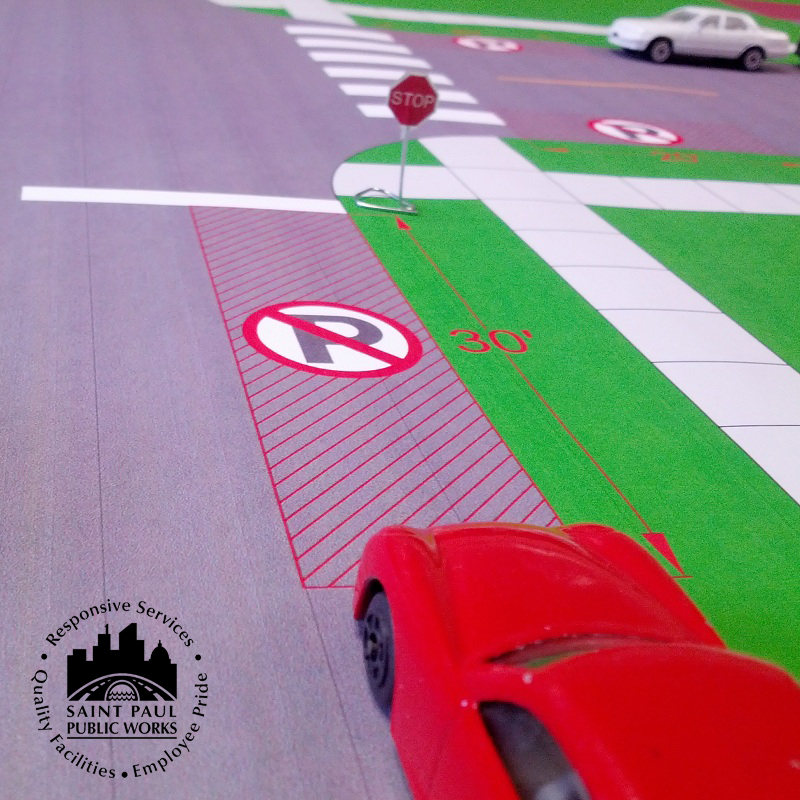 o not park within 30 feet of a stop sign or yield sign. This improves the visibility of the sign, allows for better sightlines between pedestrians and vehicles approaching the intersection, and ensures that vehicles waiting at the stop sign can see oncoming traffic.
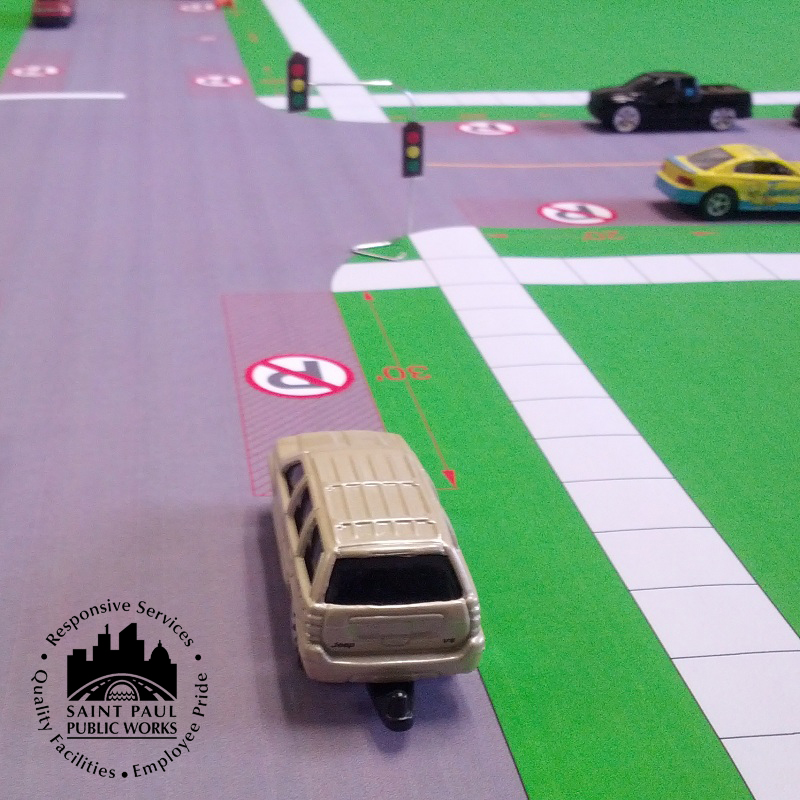 Do not park within 30 feet of a traffic signal. This improves the visibility of the signal, allows for better sightlines between pedestrians and vehicles approaching the intersection, and ensures that vehicles can see oncoming traffic.
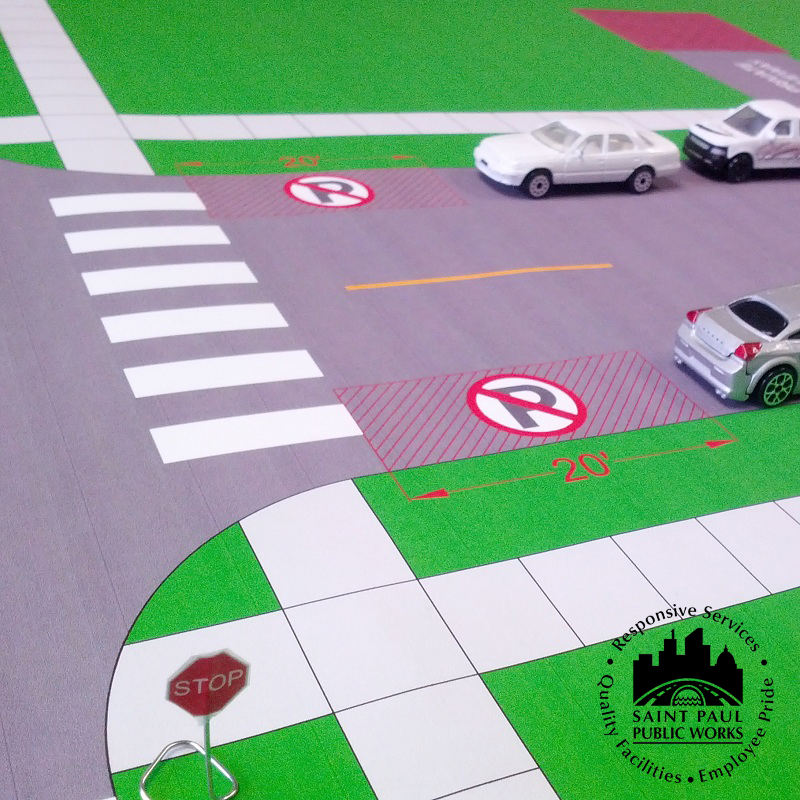 Do not park within 20 feet of a marked crosswalk. This improves the ability of pedestrians to see oncoming traffic and increases the distance from which motorists can see pedestrians in the crosswalk.
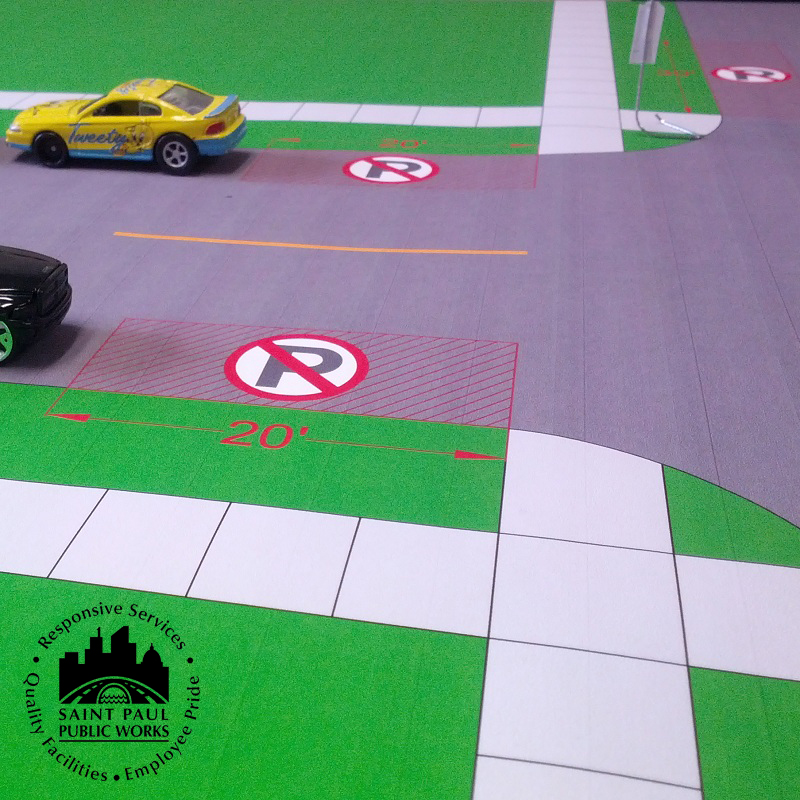 Do not park within 20 feet of an unmarked crossing at an intersection. This improves the ability of pedestrians to see oncoming traffic and increases the distance from which motorists can see pedestrians in the crosswalk.
 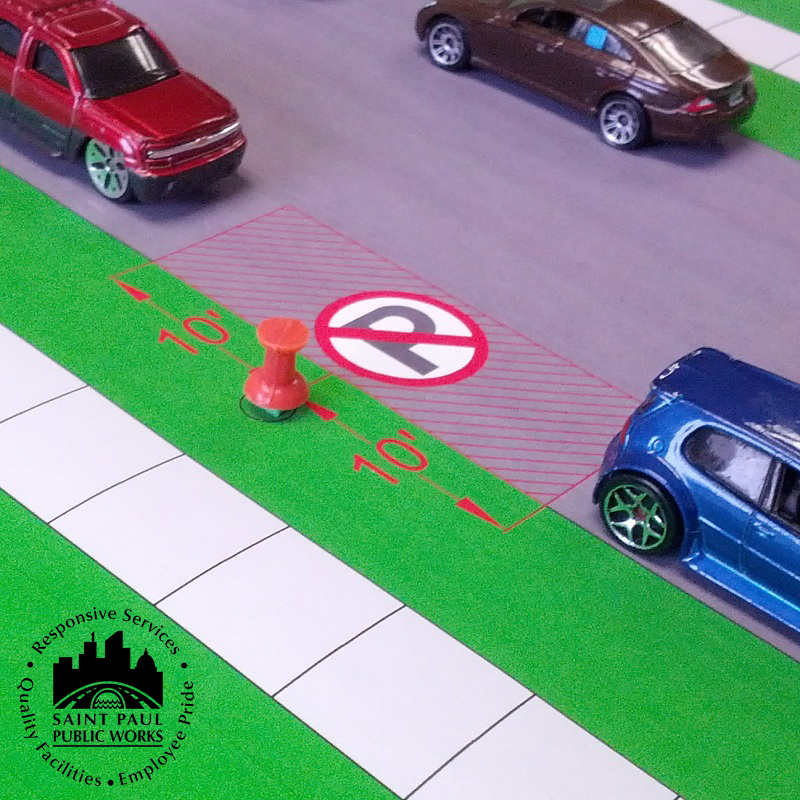 Do not park within 10 feet of a fire hydrant. In the case of a fire, this allows the fire department easy access to the hydrant.
 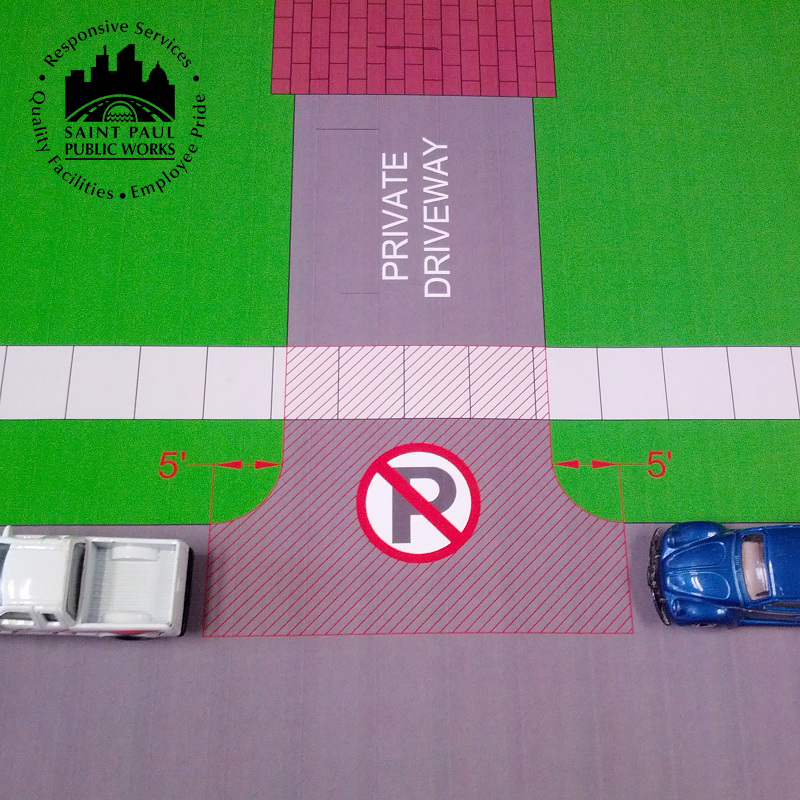 Do not park within 5 feet of a driveway. This space allows for access in and out of homes and businesses.
 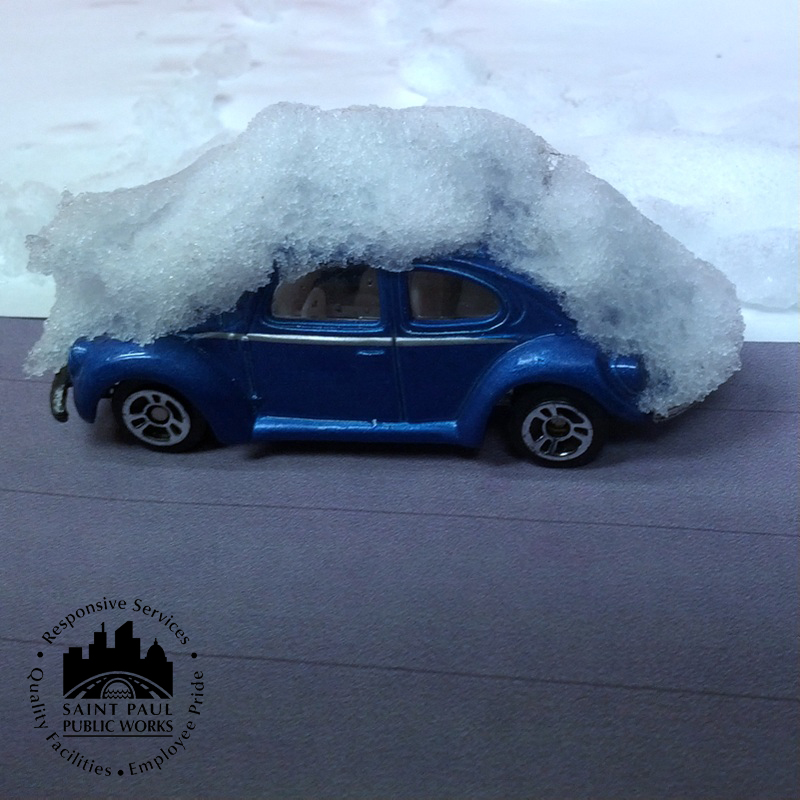 Do not park for more than 48 consecutive hours. This ensures that cars are not abandoned or obstructing the general traffic flow.
 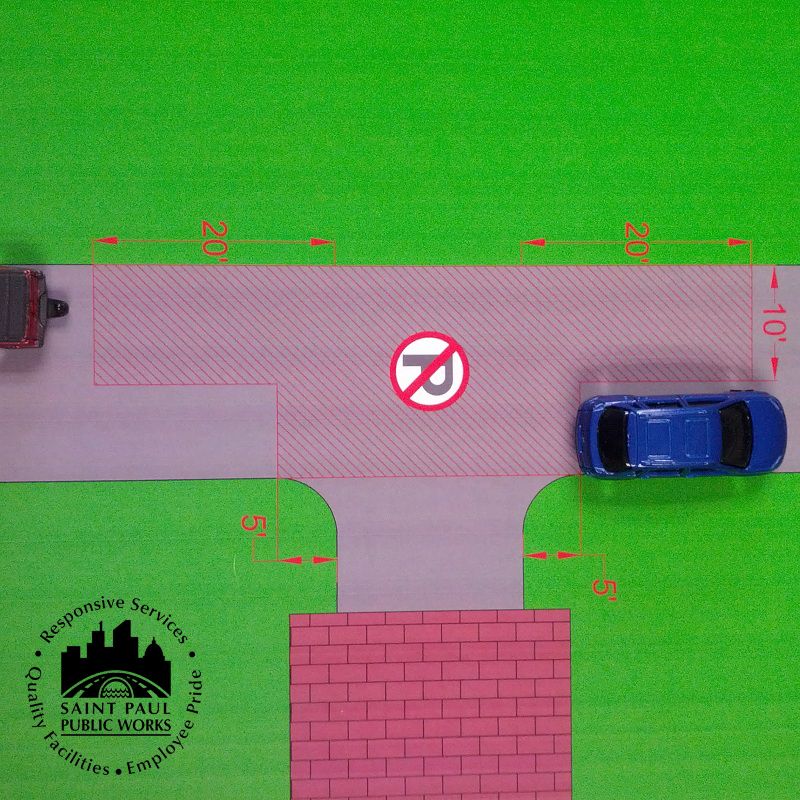 Do not park within 5 feet of a driveway in an alley or within 20 feet of a driveway on the opposite side of an alley. There must also be at least 10 feet of unobstructed space between cars on either side of the alley. This insures unobstructed traffic flow and easy access for people navigating in and out of the adjacent properties.
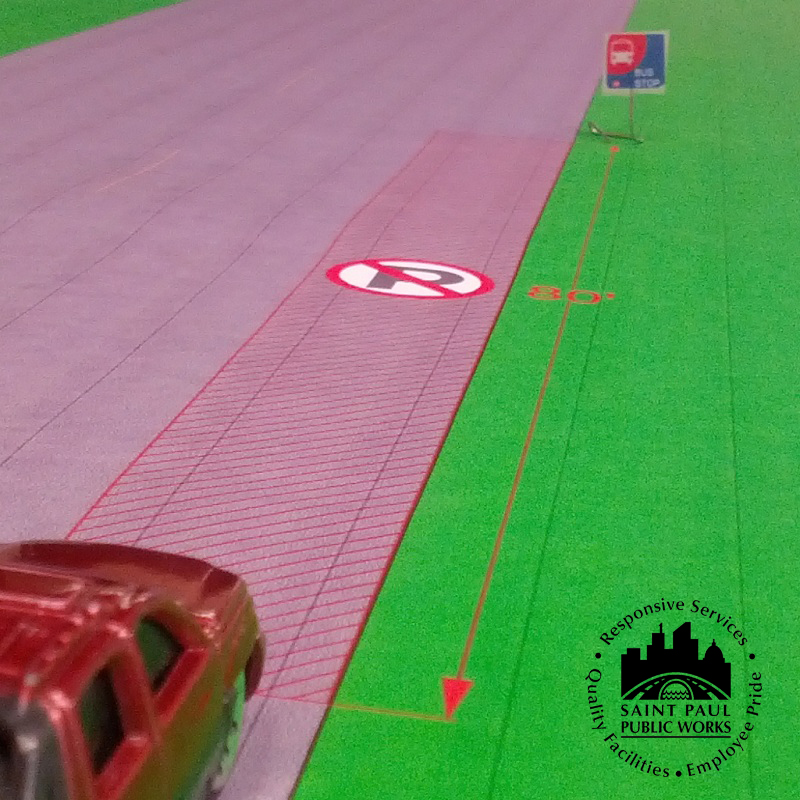 Do not park within 80 feet of a bus stop. This allows buses to reach the curb, where they can remove themselves from the travel lane and drop off passengers with mobility issues onto the sidewalk.