|
|
Emergency Management
Contact
General Information - Requests for Information
Saint Paul Department of Emergency Management
Shannon McNulty
Emergency Management Coordinator
Rick Larkin
Director, Department of Emergency Management
367 Grove Street
5th Floor
Saint Paul,
MN
55101
Office Phone (651) 266-5494
Hours
8:00 am - 4:30 pm
Monday - Friday
The Saint Paul Department of Emergency Management is responsible for coordination of the City's response to emergency situations and disasters such as:
- Severe weather
- Flooding
- National events
- Hazardous material incidents
- Mass casualty incidents
- Acts of terrorism
- And much more
To accomplish this the Department of Emergency Management has developed the City's Emergency Operations Plan, or the EOP. This plan provides the framework upon which the City of St. Paul prepares for, responds to, and performs its emergency response functions.
OUTDOOR SIREN ACTIVATION
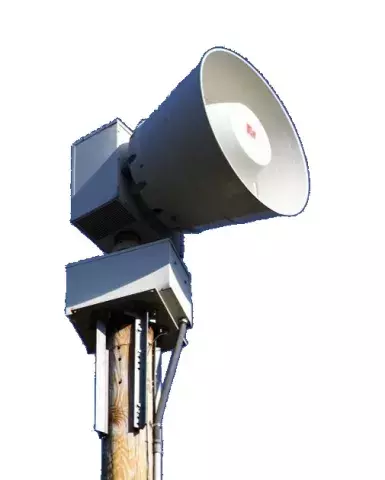
Counties and cities own the sirens, and therefore decide how and when to activate them. The National Weather Service does not sound them.
There are many different policies regarding siren activation that are used by the various cities and counties. Some will activate sirens across the entire county for tornado warnings only. Others will activate sirens countywide for tornado warnings and all severe thunderstorm warnings. Some will activate sirens across the entire county for tornado warnings and severe thunderstorms that have winds of at least 70 or 75 mph. Others will activate sirens only for portions of counties. Local officials may also sound the sirens anytime they believe severe weather is a threat, even if there is no warning from the National Weather Service.
Sirens normally sound for about three minutes, and then go silent. Some jurisdictions may repeat siren activation every few minutes and there is no such thing as an "all-clear" for storms.
Outdoor warning sirens are exactly that, they are meant to be heard outdoors. When sirens are sounded they are to alert people outside of an impending severe weather event. It is recommended if you hear the sirens immediately stop what you are doing, go indoors and tune into your favorite radio or tv station for further details or seek shelter immediately.
To receive severe weather warnings indoors, Emergency Management and the National Weather Service recommend the purchase of a weather radio, which can be found on-line and can be purchased from local electronic stores. These radios can be programmed for your specific County and can sound for a variety of weather events.
Flooding - Consider Flood Insurance
Being prepared for a flood can not only help keep your family safe, it can also help minimize potential flood damage and reduce the costs of recovery. Many people ignore the risks of flooding, assuming they aren’t in a flood zone. While some areas are more prone to flooding than others, the reality is, floods are America’s #1 natural disaster and can happen anytime, anywhere. In fact, 90% of all natural disasters in the United States involve flooding. Additionally, the risk level of a particular area can change over time. New development, changes in levee classification, and environmental changes can alter the impact of flood waters on an area. Flood Insurance in the United States is provided through the National Flood Insurance Program (NFIP). Policies require a 30-day waiting period before becoming effective. However, snowmelt flooding, heavy rainfall downpours, and flash flooding can occur with little warning. Even where flooding occurs more regularly and slowly, thirty days may be too long.
Check out Floodsmart.org to learn more about the National Flood Insurance Program (NFIP) and how you can obtain flood insurance for your home.
Four Phases of Emergency Management
The plan is based on the Four Phases of Emergency Management:
- Mitigation - efforts to reduce hazards or its impacts
- Preparedness - efforts to prepare for a likely hazard
- Response - actions taken to respond to an emergency or disaster
- Recovery - actions taken to restore the community to pre-disaster condition
The Saint Paul Department of Emergency Management is continually planning and preparing for hazards that can impact the City. Remember, no two disasters are the same, the most effective way to protect you and your family is to be prepared. Get Prepared!
Emergency Management also provides public education and training, and is available to make presentations to civic and business groups on emergency preparedness.
|
|
| |
| |