Mayor Carter Administration (2018-2025)

The residents of Saint Paul elected Melvin W. Carter III in 2017, coming together to support his vision of a City that works for everyone. Guided by a foundational trust in residents, Mayor Carter approached governance through the lens of equitable stakeholder participation, ensuring that all community members have a seat at the table and a defined role in advancing shared prosperity.

Throughout his eight years in office, Mayor Carter turned ambitious ideas into action. He leveraged his political capital to build systems that tackle structural challenges and strengthen community trust. He reimagined processes that operationalized public safety reforms, modernized city systems, and advanced housing and economic equity. Under his leadership, Saint Paul proved what is possible when government is made relevant to those we serve. 
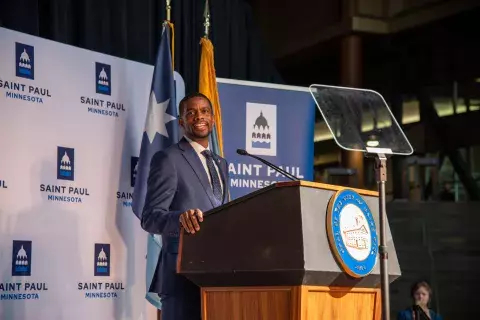
About Mayor Melvin W. Carter III

Mayor Carter speaks at podium with the City of Saint Paul seal on the front. He's in a large atrium with flags and an official City backdrop behind him.

A fifth-generation Saint Paul resident, Mayor Carter grew up in the historic Rondo neighborhood and is a proud graduate of Saint Paul Public Schools. Prior to his election, Mayor Carter served as Saint Paul City Councilmember for Ward 1, representing the neighborhood in which he grew up. He is the founding Board Chair of the Saint Paul Promise Neighborhood and lifted up young people serving as the Director of the Minnesota Office of Early Learning and then Executive Director of the Minnesota Children’s Cabinet.

Mayor Carter modeled all of what he accomplished around his passion for helping others meaningfully engage in civic processes. He has trained progressive candidates and activists in over 30 states. He was unwavering in his commitment to building longer tables and meeting residents where they were. This appreciation for community-led decision-making was essential in selecting all members of his cabinet.

He embraced a life of public service inspired by his father who was a police officer and his mother who was a teacher, and was supported by his wife, Dr. Sakeena Futrell-Carter and their six children. Mayor Carter has a bachelor's degree from Florida A&M University and a Master of Public Policy from the University of Minnesota Humphrey School of Public Affairs.

Key Accomplishments

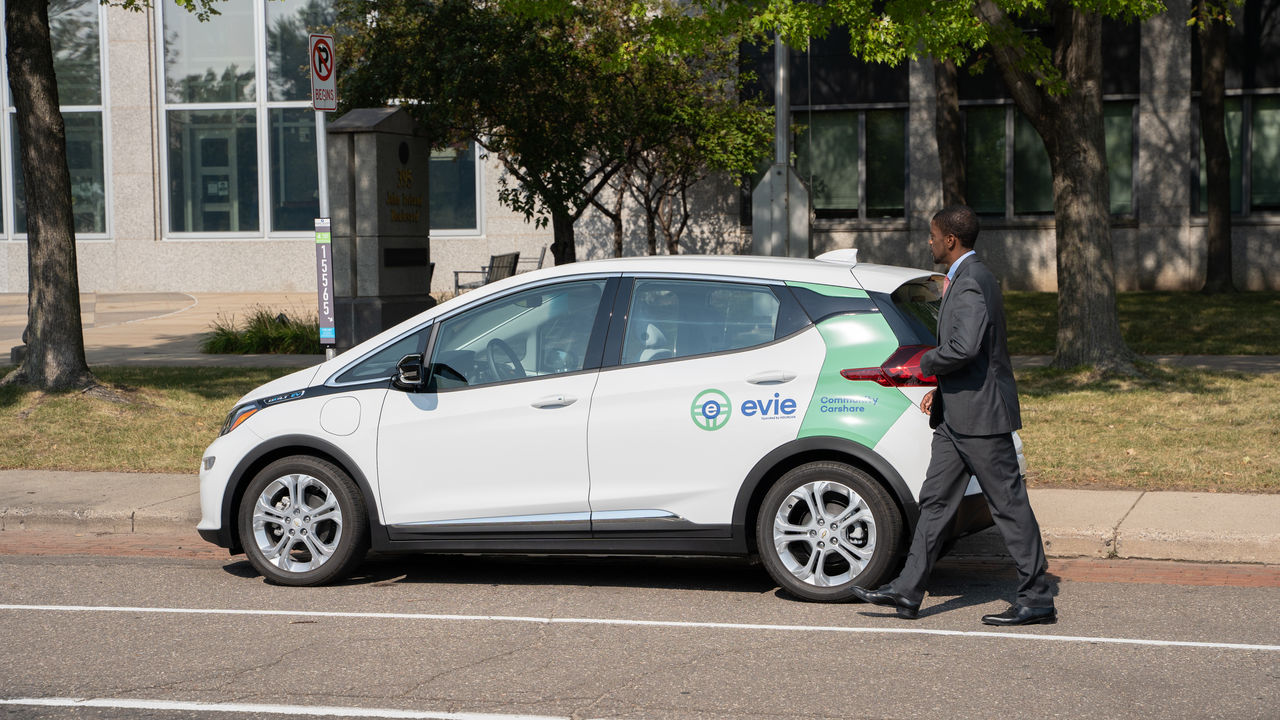
Mayor Carter gets into a small white electric sedan. There's a green stripe and blue "evie" logo on the side of the car.

Climate Action

The City of Saint Paul adopted an ambitious Climate Action and Resilience Plan in 2019. The plan prioritized cutting greenhouse gas emissions, expanded renewable energy opportunities, and laid the foundation for a more resilient Saint Paul. Under Mayor Carter's leadership, the City launched the nation's first municipally owned fleet of electric vehicles, purchased and deployed the state's first electric firetruck, and installed geothermal technology at Como Zoo and The Heights. Throughout his two terms, the City updated city energy codes and added more bikeway mileage than ever before.

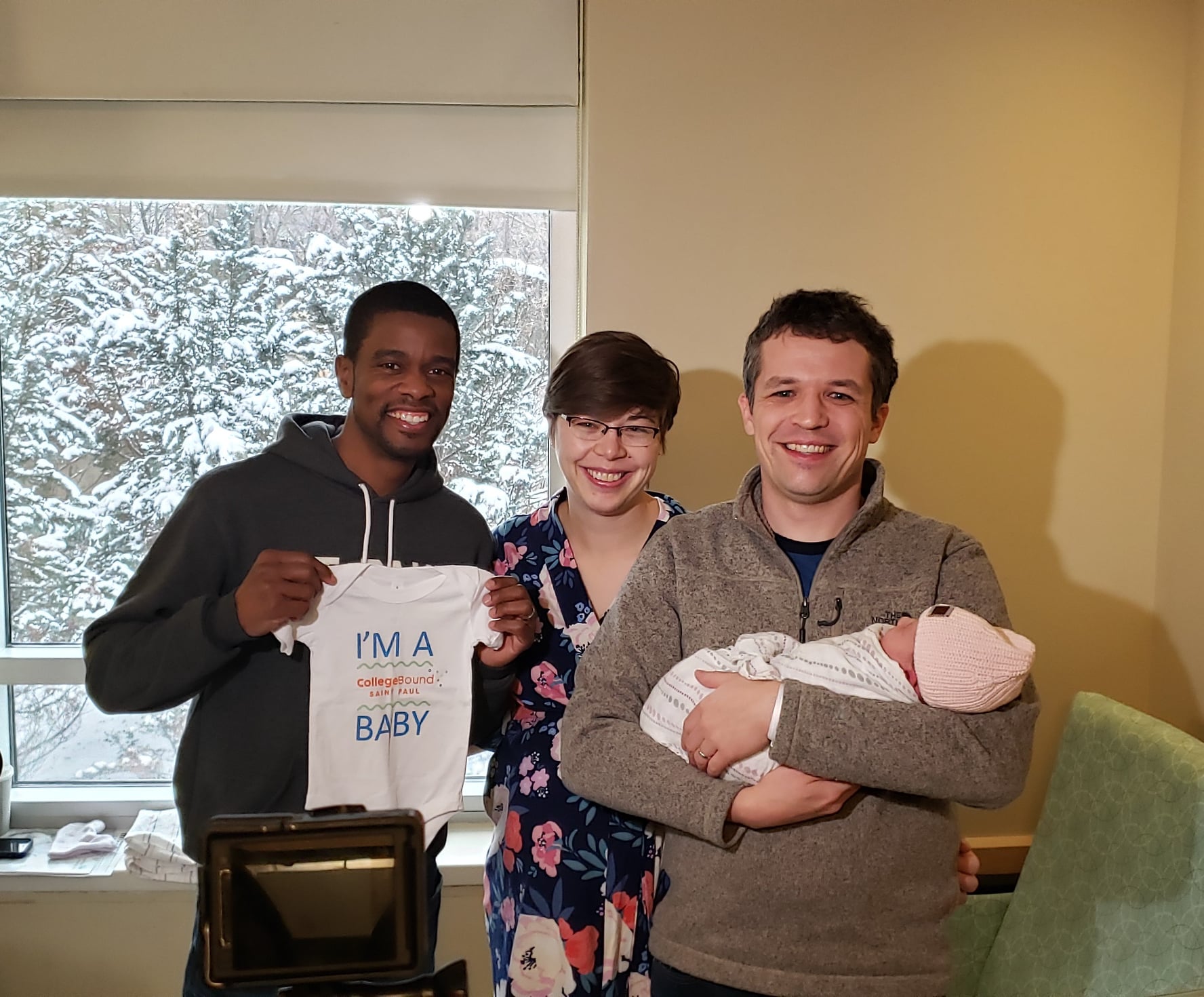
Mayor Carter stands next to a young couple holding a newborn. Mayor Carter holds a onesie that says "I'm a CollegeBound Saint Paul Baby."

CollegeBound Saint Paul

Mayor Carter launched CollegeBound Saint Paul in 2020, providing all babies born in Saint Paul with their own college savings account, including $50 in seed funding. CollegeBound Saint Paul lays the foundation for families and the community to thrive for generations to come. When Mayor Carter left office, more than 14,000 children had been enrolled, accumulating over $3 million in savings. The next phase, CollegeBound Elementary, kicked off in Fall 2025 in partnership with Saint Paul Public Schools.

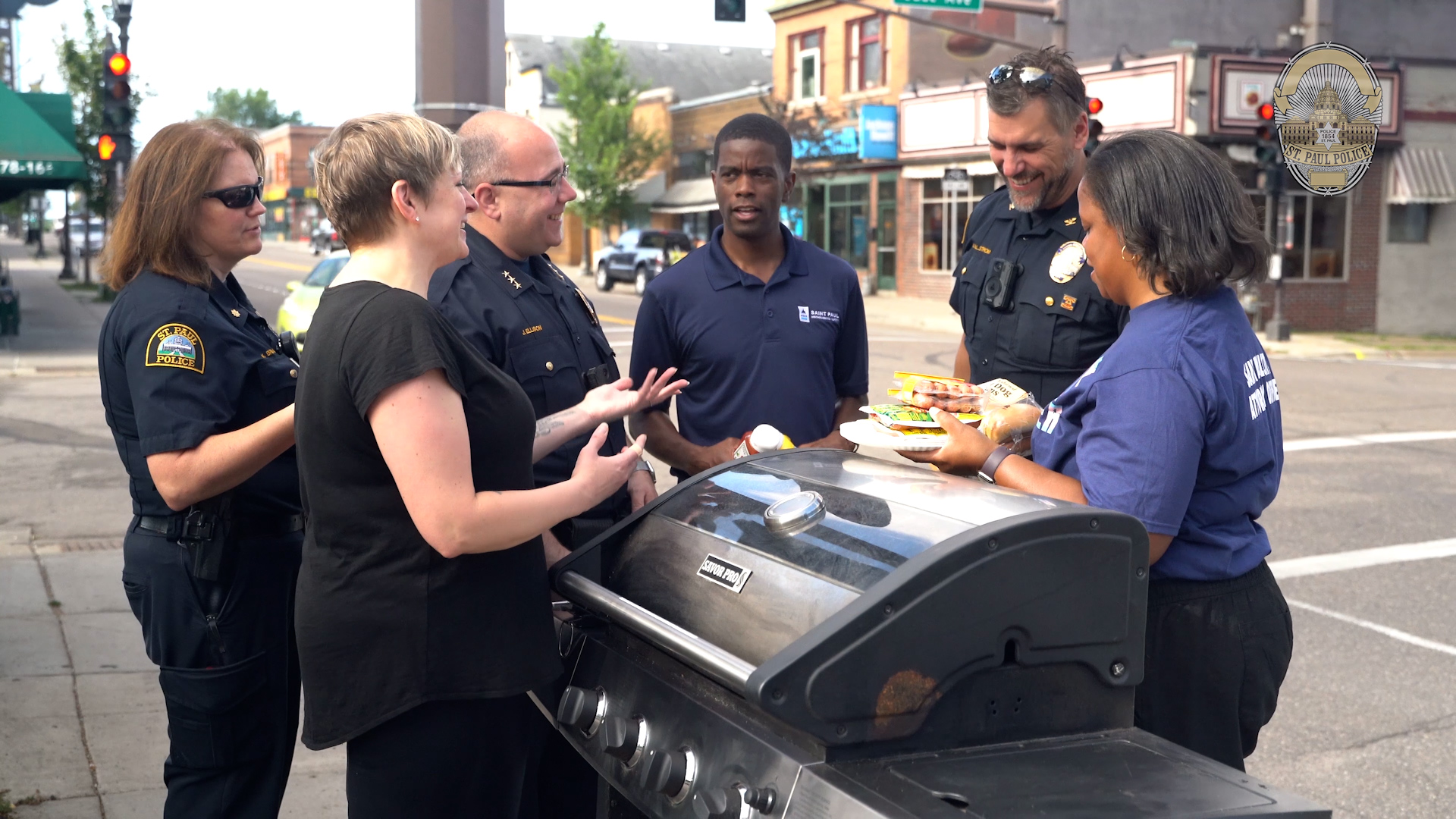
Mayor Carter stands on a public sidewalk, grilling with police officers and city staff at a community event.

Community-First Public Safety

Mayor Carter's Administration built a Community-First Public Safety framework with input from residents. It was the City's most comprehensive response to date for keeping people safe. By focusing on prevention, intervention, and enforcement, it built trust, made neighborhoods safer, and improved life in Saint Paul. He reformed police use of force policies, drastically lowering incidents, and built a new fire station on the East Side. He also launched the Office of Neighborhood Safety, which was critical in achieving a 70% reduction in gun violence.  

A young school-aged child sits on the floor next to library shelves of children's books. She has two books sitting beside her, and is reading a third.

Eliminated Library Late Fines

Library staff members led more than six months of research into late fines in 2018. They worked with the City’s Office of Financial Services to develop financial models that could support the elimination of late fines. Based on this comprehensive research, the library and Mayor Carter submitted a proposal to eliminate late fines, which was passed by the City Council and made effective January 2, 2019. This unlocked over 51,000 accounts with fines, significantly increasing library usage, with some locations seeing double-digit increases in just the first year.

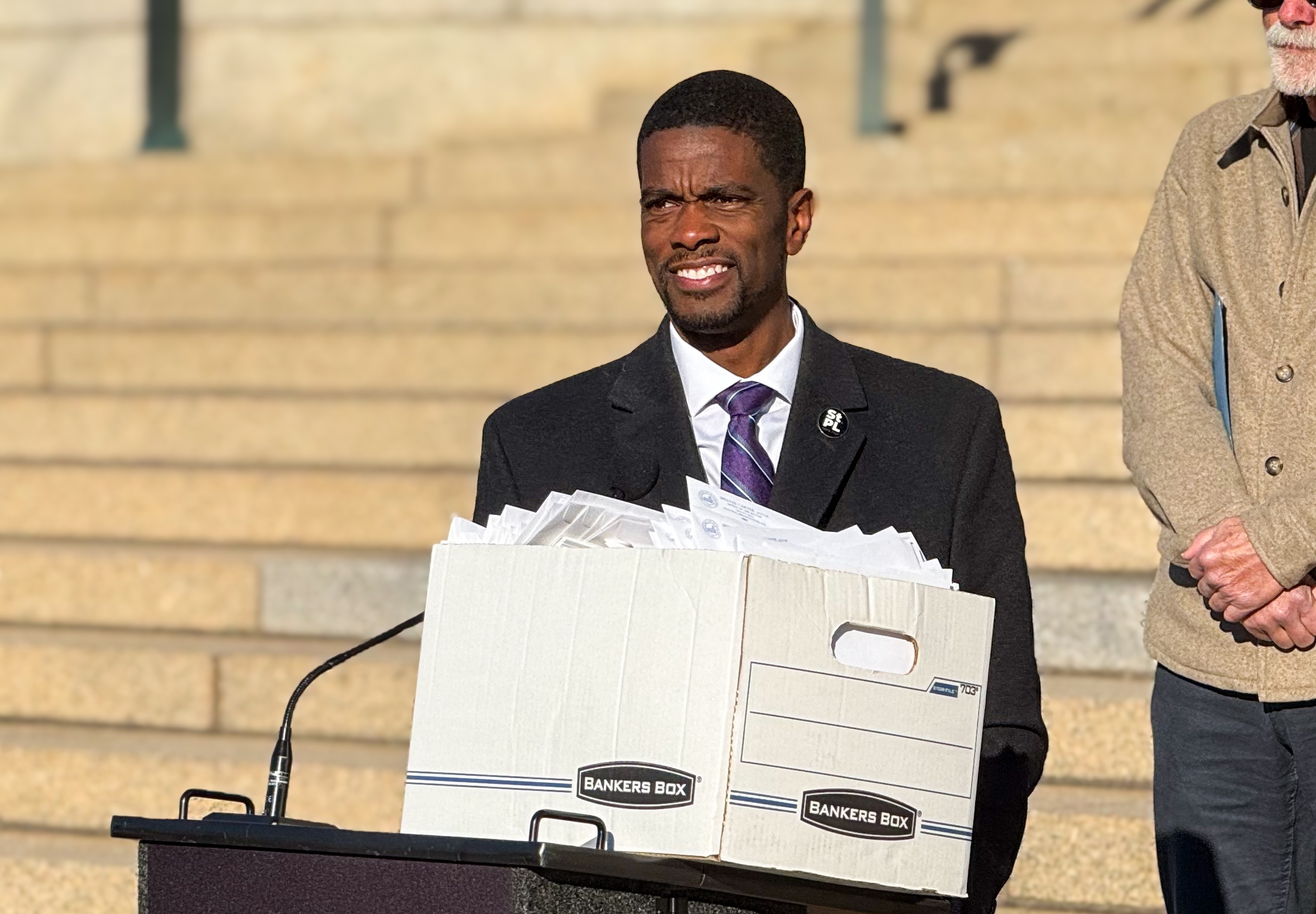
Mayor Carter holds an overflowing box of paperwork while speaking at a podium outside in the sunshine.

Erased Medical Debt

Mayor Carter committed $1.1 million in American Rescue Plan dollars to erase an estimated $110 million in medical debt for qualifying Saint Paul residents in 2024. The average amount of debt forgiven was $268 while the largest debt forgiven was $104,972. 

In November 2024, Mayor Carter announced that the City of Saint Paul and Undue Medical Debt abolished nearly $40 million of medical debt for 32,000 Saint Paul residents. Independent nonprofit Undue Medical Debt purchased the debt from Fairview Health Services.

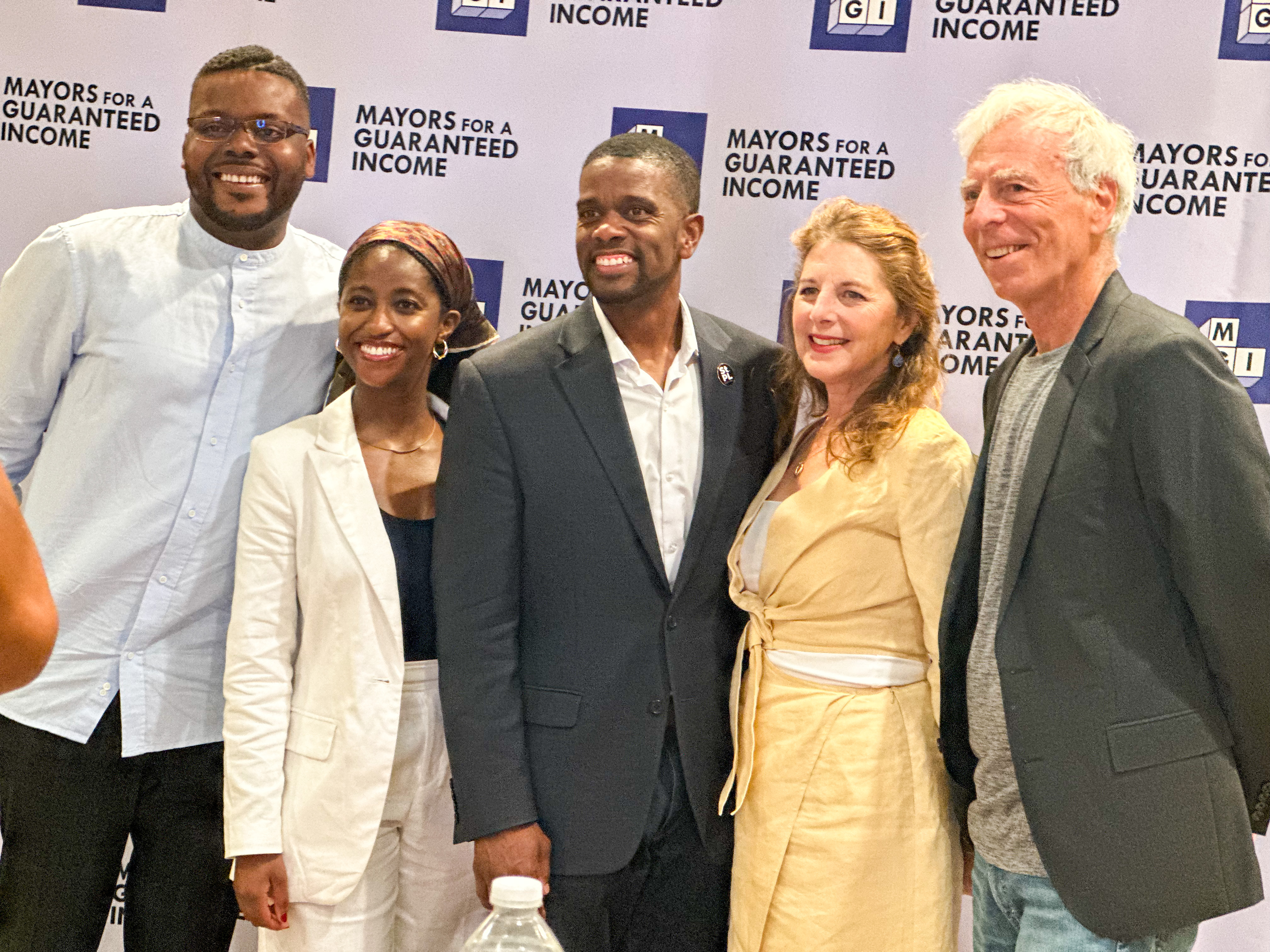
Mayor Carter stands in the middle of a group of professionals in front of a backdrop that says "Mayors for a Guaranteed Income."

Guaranteed Income Pilot

A founding member of Mayors for a Guaranteed Income, Mayor Carter believed the definition of equity meant access to money. The City of Saint Paul was the first city in the nation to use public dollars to fund a guaranteed income pilot. The People’s Prosperity Guaranteed Income Pilot ran between 2020 and 2022, and provided 150 Saint Paul families with $500 per month for 18 months. A second pilot was launched in 2022, providing Saint Paul families with $500 per month for two years, plus $1,000 for children's college savings for 333 families. Results of this pilot were studied by the University of Pennsylvania. Findings reveal connections between the receipt of unconditional cash payments and significantly improved financial health, sense of self, and economic mobility and resilience.

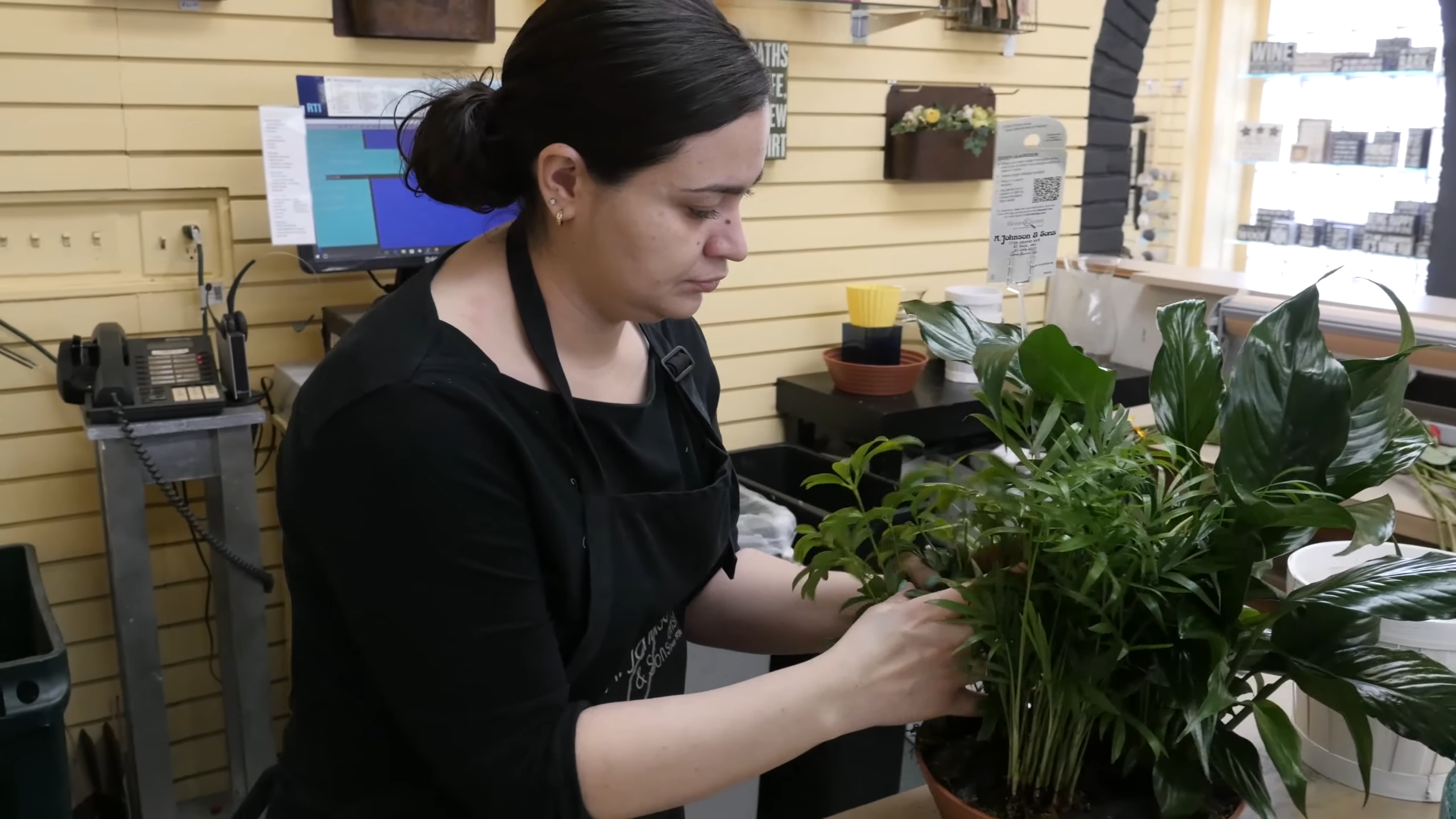
A worker in a flower shop arranges green foliage plants together.

Raised Minimum Wage

Mayor Carter signed into law a Minimum Wage Ordinance in November 2018, after a unanimous vote from the Saint Paul City Council. The Minimum Wage ordinance implemented minimum wage rates depending on business size, with staged increases over time.

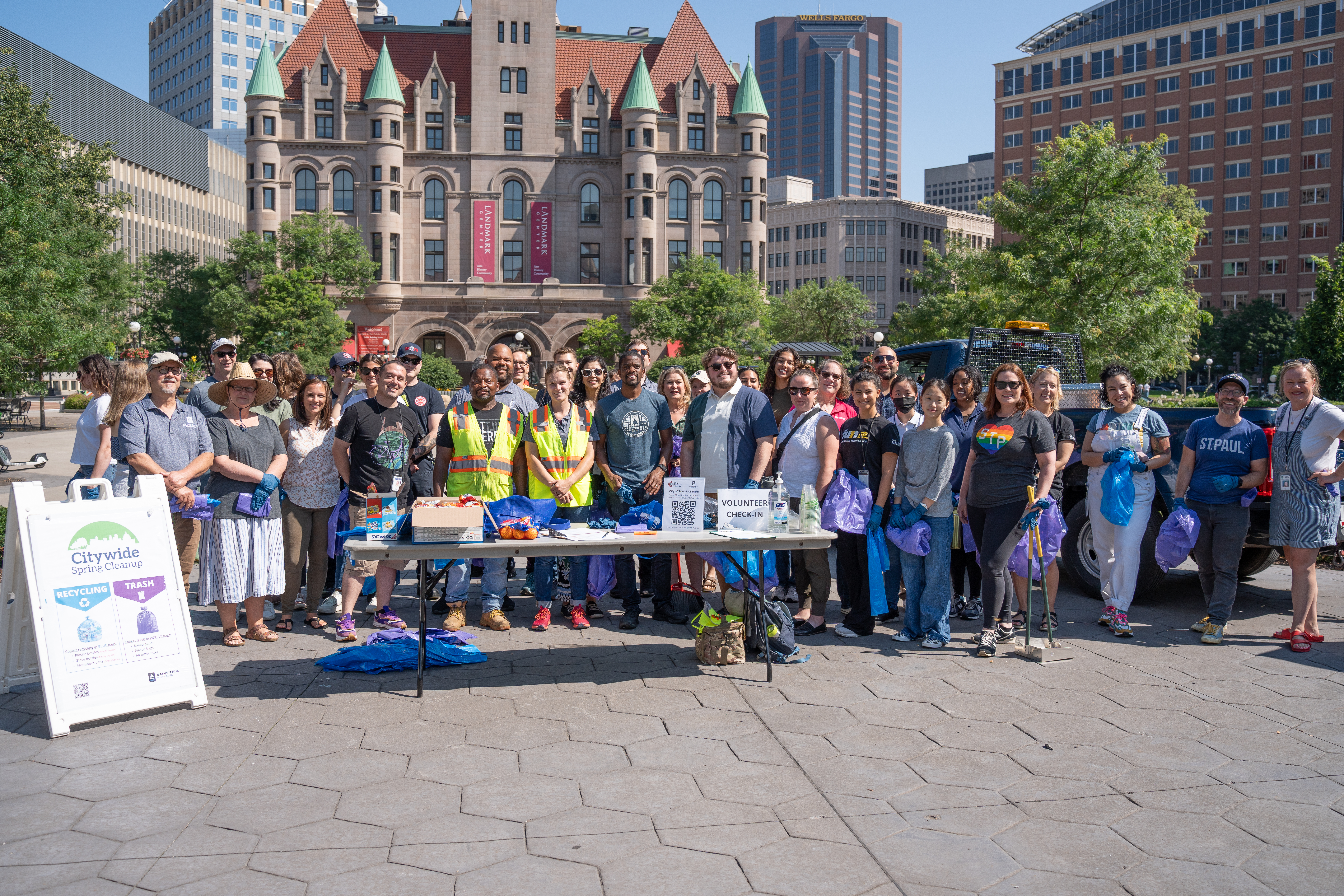
City of Saint Paul employees pose for a photo during a clean up event in Rice Park

Revitalizing Downtown

Mayor Carter's Administration launched a citywide effort to renew Saint Paul’s urban core, reigniting downtown as a catalyst for job creation and a strong local economy. Mayor Carter and Deputy Mayor Jaime Tincher led the development of the Saint Paul Downtown Alliance, later expanded through the Downtown Development Corporation to advance real estate investment, redevelopment, and long-term revitalization. His vision to attract 20,000 new downtown residents mobilized an aggressive office-to-housing conversion strategy and made significant progress in securing new ownership for long-vacant buildings. Moving beyond the pandemic, the administration's downtown strategy sought to better serve all who live, work, and visit our capital city.
 

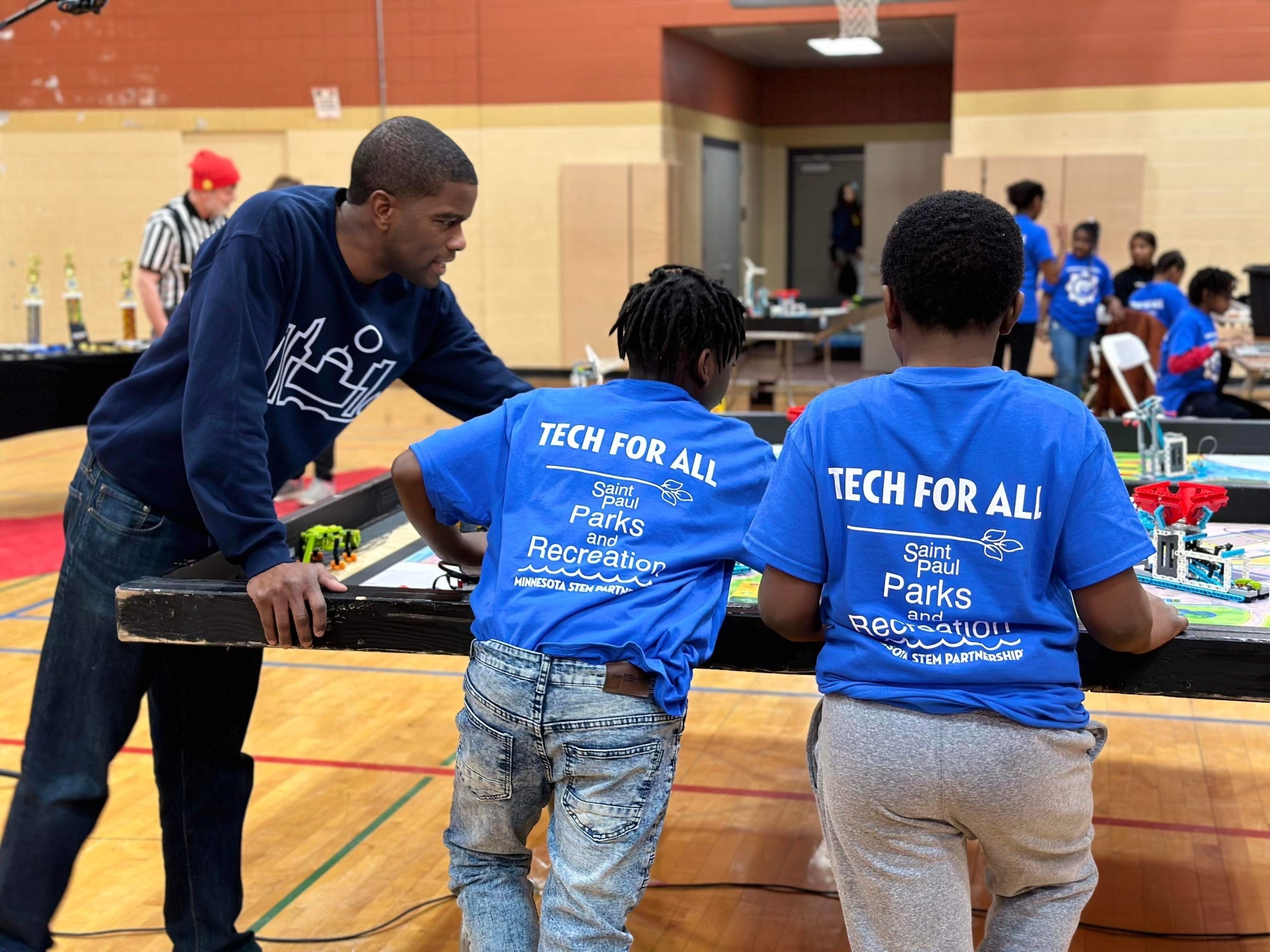
Mayor Carter leans over a table in a gym with two young children in Tech For All t-shirts. They're looking at a series of lego robotics.

Tech for All

Mayor Carter established the Tech for All initiative to connect residents, especially young people, women, and people of color, to technology education and grow technology careers in Saint Paul. This innovative approach helped launch Createch, a tech and maker space for youth, and Full Stack Saint Paul, a public‑private collaboration that strengthens existing and emerging tech and innovation businesses, talent, and resources.