Lead Service Line Replacements Hit 4,500 to Date; 2,200 More Planned
Published in the Spring 2026 edition of Customer Service Connections
Saint Paul Regional Water Services (SPRWS) continues to make strong progress removing lead service lines from our system.
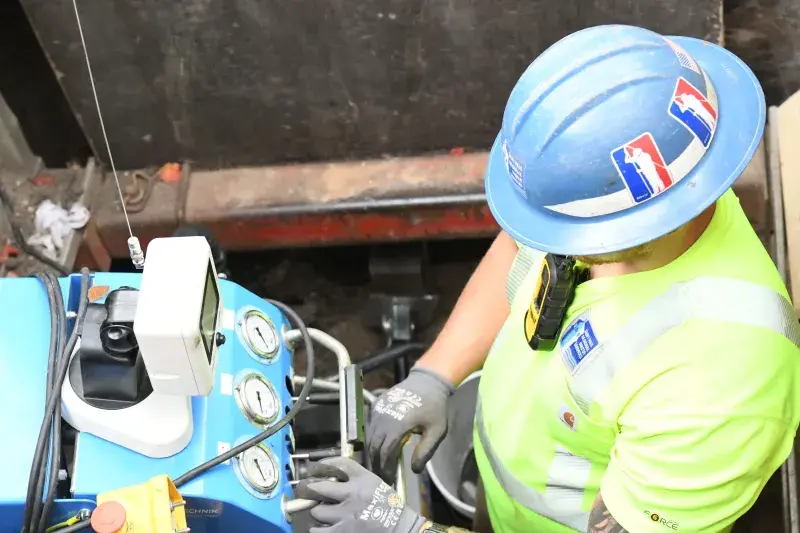
Since 2022, we have replaced approximately 4,500 lead service lines. In 2026, we plan to replace about 2,200 more as part of our Lead Free SPRWS program.
If your property is scheduled for replacement in 2026, notification would have already been sent.
To complete the work at no cost to customers, property owners must sign and return the participation agreement. This allows crews to replace both the public and private portions of the service line safely and efficiently.
“This work represents years of planning, coordination, and sustained investment,” said Racquel Vaske, general manager of SPRWS. “Every lead service line we replace is a permanent improvement to our water system and an investment in the health of the residents of the communities we serve.”
The 2026 work is supported by approximately $35 million in state funding through the Minnesota Public Facilities Authority, allowing full replacements at no direct cost to participating property owners.
“Protecting the health of Saint Paul families is one of the most important responsibilities we have,” said Mayor Kaohly Her.
“Removing lead service lines is critical infrastructure work that delivers lasting public health benefits for generations. Securing the funding needed to complete this effort is a top priority for my administration. We will work closely with our state partners to ensure they understand the importance of sustaining this investment so that every Saint Paul resident has access to safe, lead-free drinking water. This is a long, critical fight, because no amount of lead is safe for our residents to drink.”
SPRWS will continue notifying customers as future areas are scheduled. You can check your service line material and learn more at stpaul.gov/leadfree or by contacting our customer service team.
We estimate it will cost an additional $250 million to remove all remaining lead service lines in our service area. Continued state investment is critical to keeping this work on schedule.