
Service with Purpose

The badge of Minnesota’s oldest police department stands for a legacy of courage, honor, and respect for all.

  • SPPD is a national leader in modernizing police procedure. We train hundreds of other law enforcement officers from departments nationwide.
  • We recruit, develop, and retain exceptional officers. Every member of the force brings a unique combination of experiences, heritage, and talents to our city.

If you have the heart of a guardian and a commitment to excellence, join us in policing the Saint Paul way.

Contact SPPD Recruitment  Fill Out a Quick Interest Form

The Saint Paul Difference

A female police officer in uniform chats with another young woman and two young children while pushing shopping carts inside of a Target store.

Community Trust

Community trust is one of the pillars of the department and community policing is at the heart of everything we do. It defines our commitment to working with communities to tackle crime, co-produce safe neighborhoods, and improve quality of life.

Our Community Policing Approach
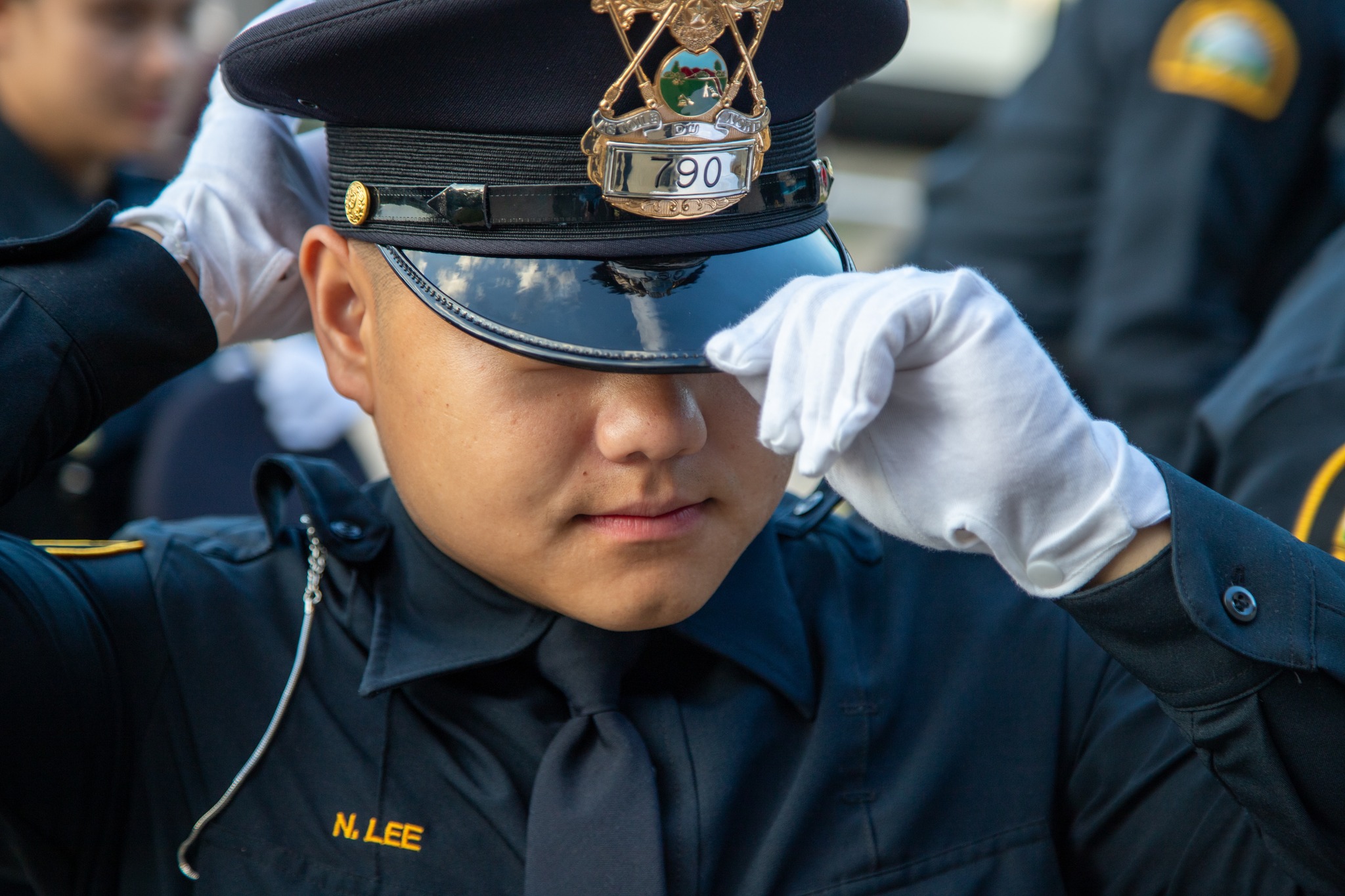
New police officer N Lee touches the brim of his cap at academy graduation ceremony

Excellence

As a SPPD officer, you can feel proud of the work you do and the way you do it. We strive for every officer to receive some of the most rigorous training in the nation so that you not only meet, but exceed standards.

About Professional Development
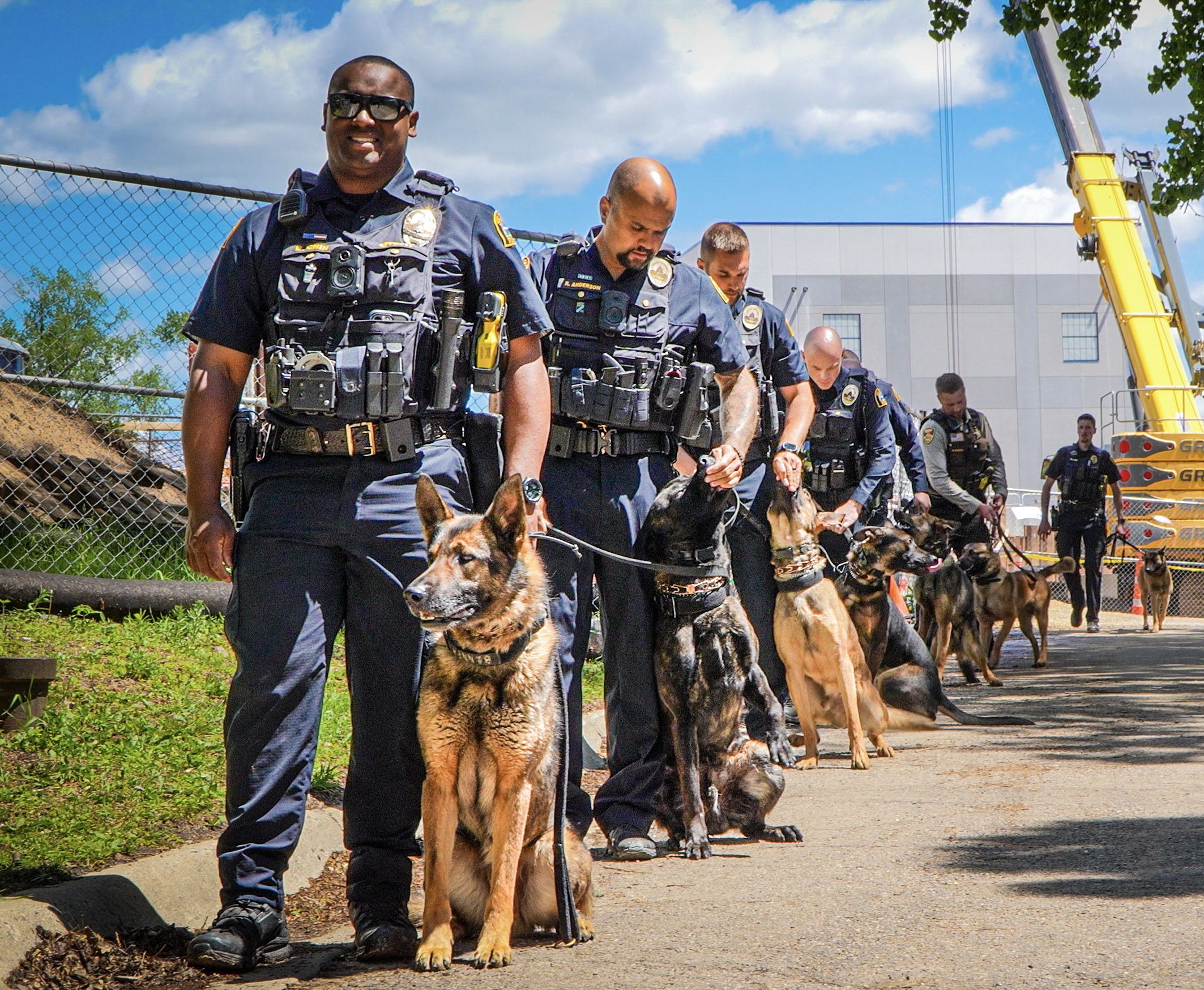
A line of police officers in uniform and vest handle police dogs on a leash at their sides.

Opportunity

You will be able to grow your law enforcement career in any of our more than 30 specialty units – like SWAT, special investigations, canine, and youth outreach.

View Our Specialty Units
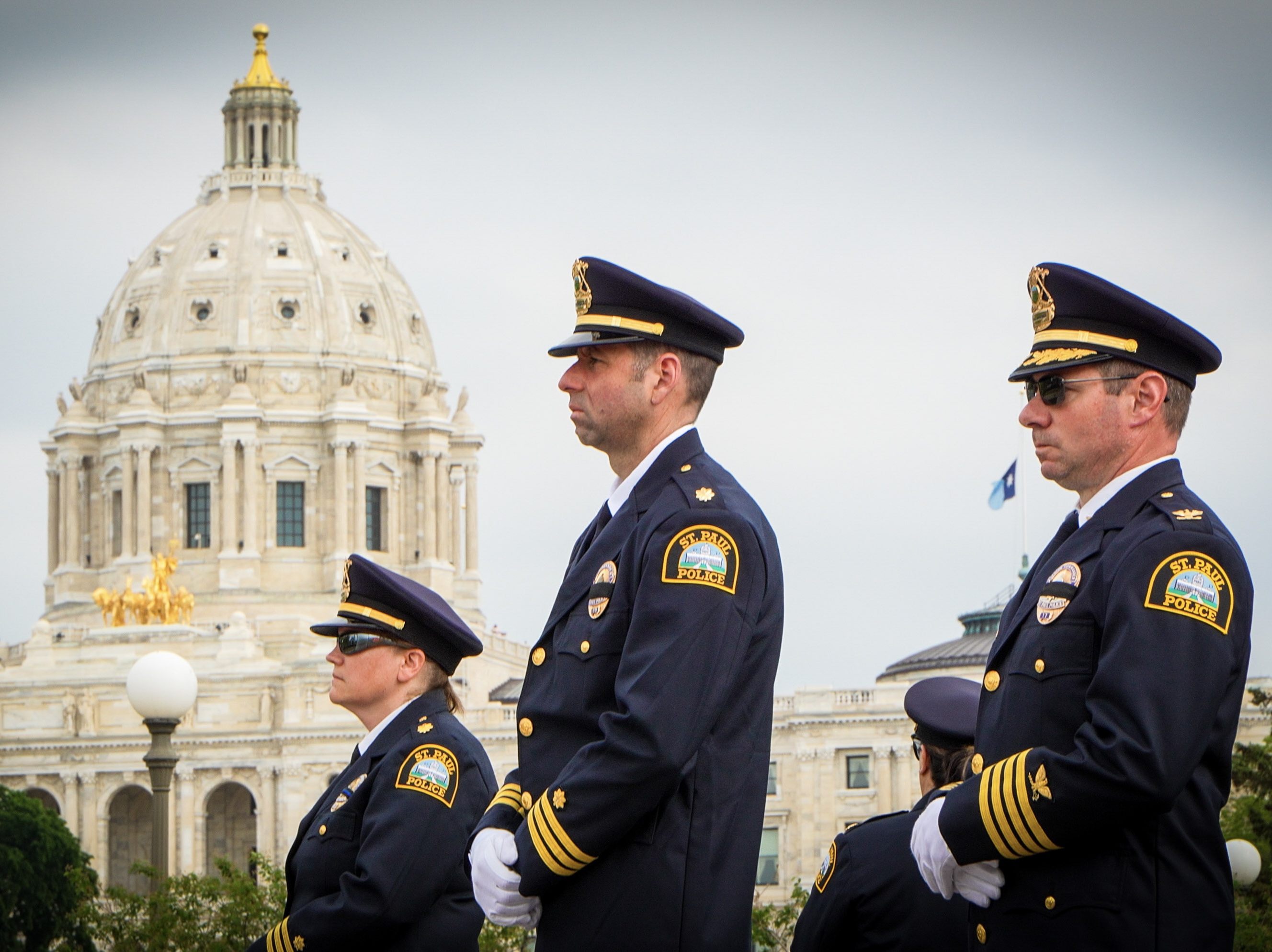
Saint Paul police officers stand in uniform at a ceremony outside the Minnesota state capitol.

Legacy

Every SPPD officer belongs to an unbroken heritage of law enforcement since 1854. SPPD was one of the first professional police departments in the United States, and we continue to be a national leader in public safety.

About SPPD History
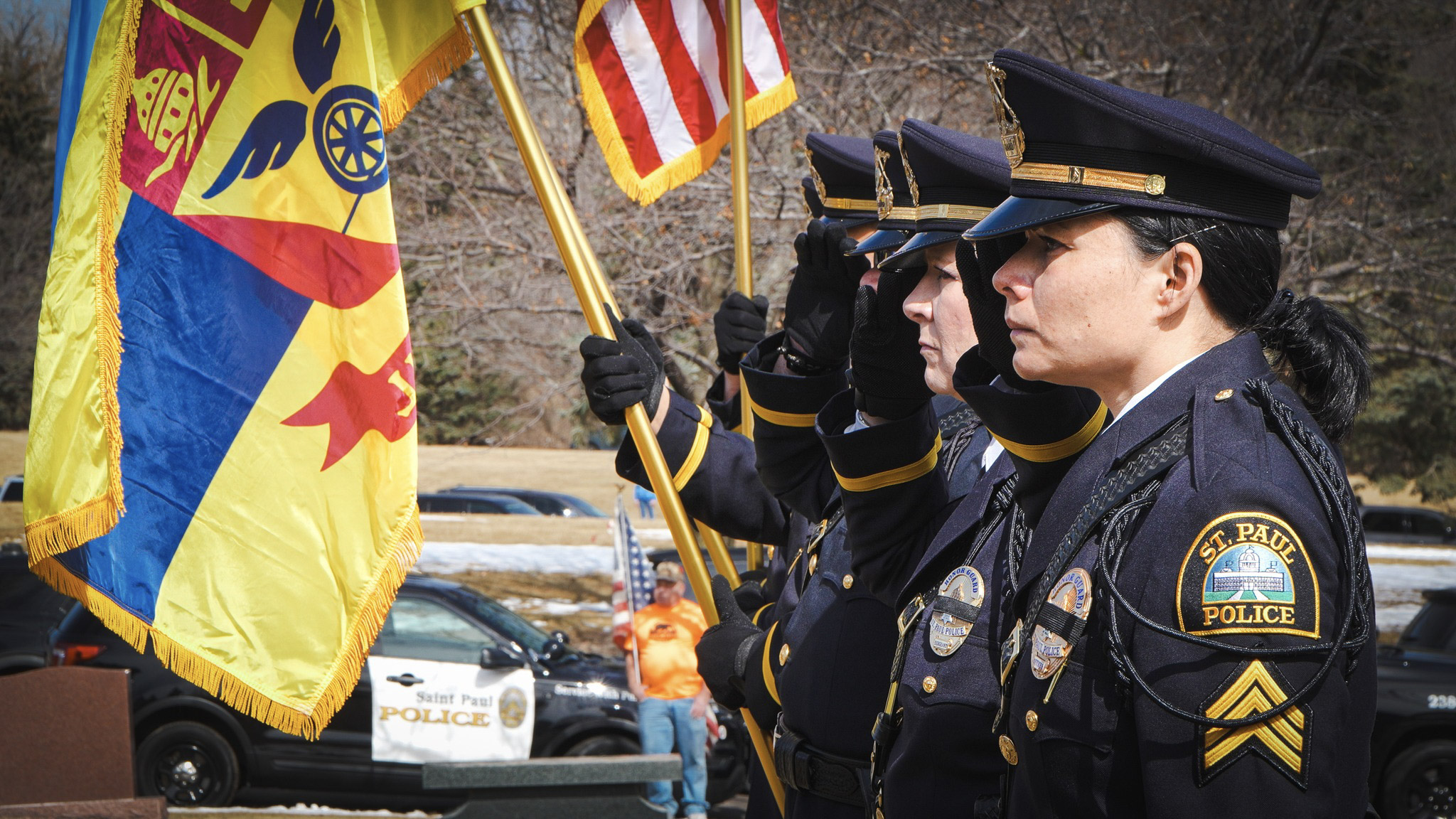
Women from SPPD stand in uniform saluting and holding the flags of Saint Paul and the United States.

Respect

When you join SPPD, you join a team of exceptional law enforcement professionals. From salary and benefits to department culture, we treat our people with respect.

SPPD Salary and Benefits
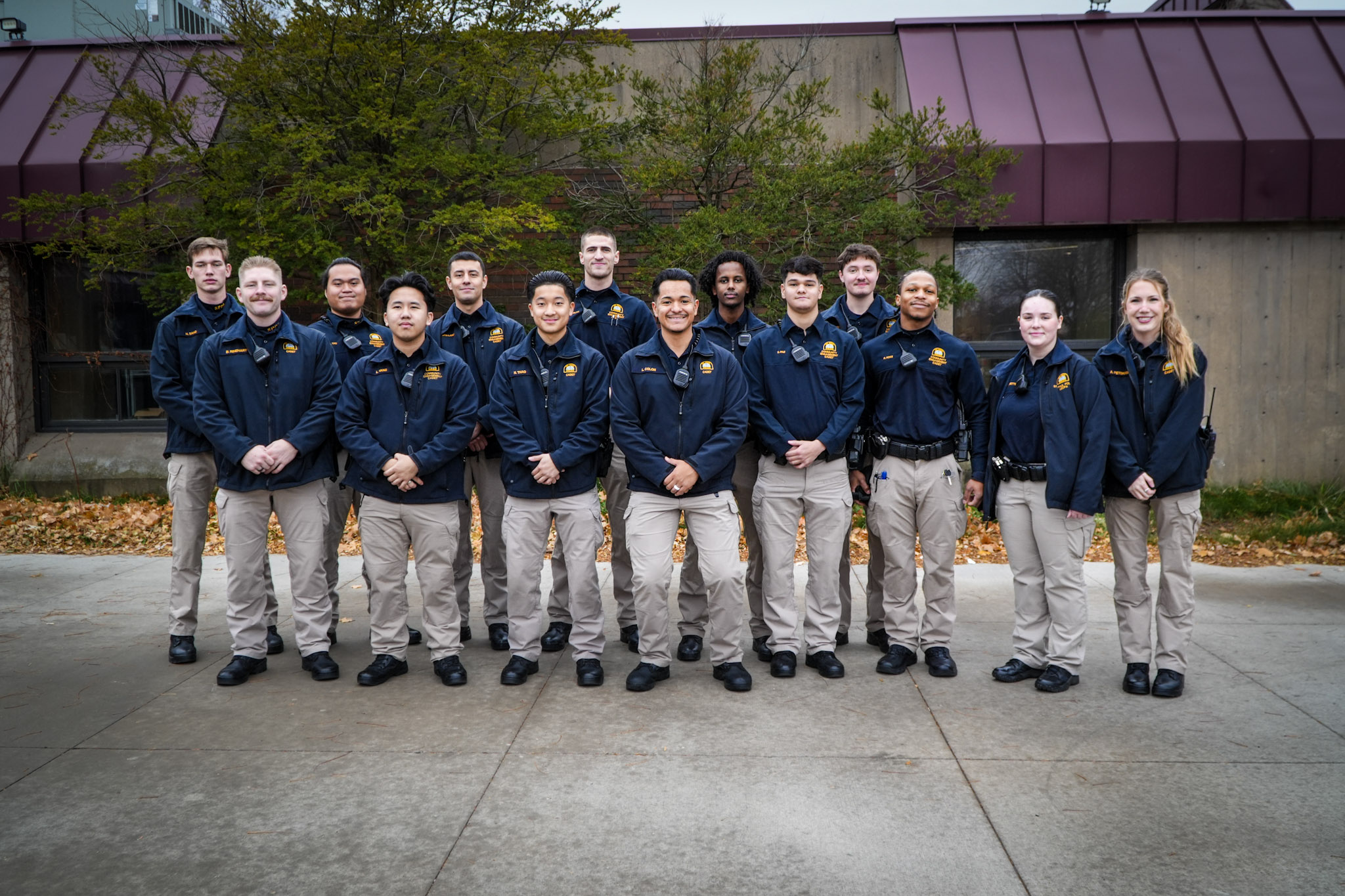
A dozen new cadets stand together in khakis and navy blue jackets.

Pathway Programs

Want a career in law enforcement but not sure where to begin? SPPD offers several pathway programs to get you on-the-job experience.

Explore Our Pathway Programs

Your Journey to the Badge

Minnesota has some of the nation’s highest standards for law enforcement officers. Saint Paul’s standards are even higher. It takes time, effort, and grit to earn the this badge. Here’s how it works, from right now to your first day on patrol. 

Meet minimum standards

By state law, all police officers in Minnesota must meet these criteria:

  • 18 or older
  • Eligible to work in the United States
  • Valid driver’s license
  • Never convicted of a felony or certain misdemeanors ↗️

In Saint Paul we set a more strict standard:

  • 21 or older
  • U.S. citizen
  • Never convicted of any gross misdemeanor, or for any crime of physical assault, domestic assault, or eluding the police
  • Can pass a thorough background investigation, psychological screening, medical examination, physical fitness test, and drug testing

Learn through education or experience (2–4+ years)

To start the process of becoming a police officer in Minnesota, you need one of two qualifications (or both):

  1. An associate’s or bachelor’s degree. Minnesota is the only state in the nation that requires most peace officers to be college graduates. An associate’s or bachelor’s degree in any field, not just law enforcement, meets this requirement. That’s because more education makes better officers.
  2. Military or law enforcement experience. Military and police service elsewhere in the country can qualify you to become an officer in Minnesota, even if you don’t have a college degree. Learn more about out-of-state recirpocity and military experience. ↗️

Get your PPOE certificate (about 9 months)

Unless you have military or law-enforcement experience already, your next step is to complete Professional Peace Officer Education (PPOE), a certificate program that usually takes about nine months. PPOE teaches you about U.S. and Minnesota law and the basics of law enforcement procedure.

Two schools in the Twin Cities area offer PPOE certificates:

Sign Up for the Police Officer Licensing Exam

No matter what education or experience you have, you will take the the Minnesota licensing exam to prove you have the knowledge to be a good police officer. People with law-enforcement or military experience take one version of the exam, while PPOE certificate holders take another.

Submit an SPPD officer job application

We accept applications from potential  officers twice every year, from late January through mid-May and from late June through mid-December. We will respond to your application about a week after the application period closes. 

Pass screenings and enter the Police Academy (6 months)

  • Screenings. If your application is accepted, we will invite you to take tests that measure your psychological, medical, and physical fitness to do the duties of a Saint Paul officer. We schedule these exams in mid-April and mid-September.
  • Police Academy. As a cadet in the Saint Paul Police Academy, you’ll experience our department’s nationally renowned commitment to cutting-edge training. Over five months, from October to February or from May to September, you will learn the “Saint Paul way” of policing from world-class law enforcement educators with years or decades of on-the-ground experience.

Swear the oath, wear the badge

When you graduate from the Academy, you and your fellow cadets will raise your right hands and swear this oath:

As a law enforcement officer, I solemnly swear to uphold the Constitution of the United States and the state of Minnesota; that I will bear true faith and allegiance to the same; that I will enforce the laws of the United States of the state of Minnesota and the City of Saint Paul impartially; that I will work in partnership with the public of the City of Saint Paul toward providing a safe environment and enhancing the quality of life, consistent with the values of our community; that I will adhere to the ethical values of professionalism, integrity, responsiveness, sensitivity, respect, and openness; that I take this obligation freely, without any mental reservation or purpose of evasion; and that I will well and faithfully discharge the duties of the office on which I am about to enter, so help me God.

Then you will receive your badge from the Mayor. The next day, you will begin your field training as an official member of the Saint Paul police force. Congratulations, Officer.

Pathway Programs

A dozen new cadets stand together in khakis and navy blue jackets.

Community Engagement Cadet

If have a high-school diploma or GED and want to become a Saint Paul police officer, you can work side by side with the SPPD as a Community Engagement Cadet while earning your associate’s degree in law enforcement from Century College.

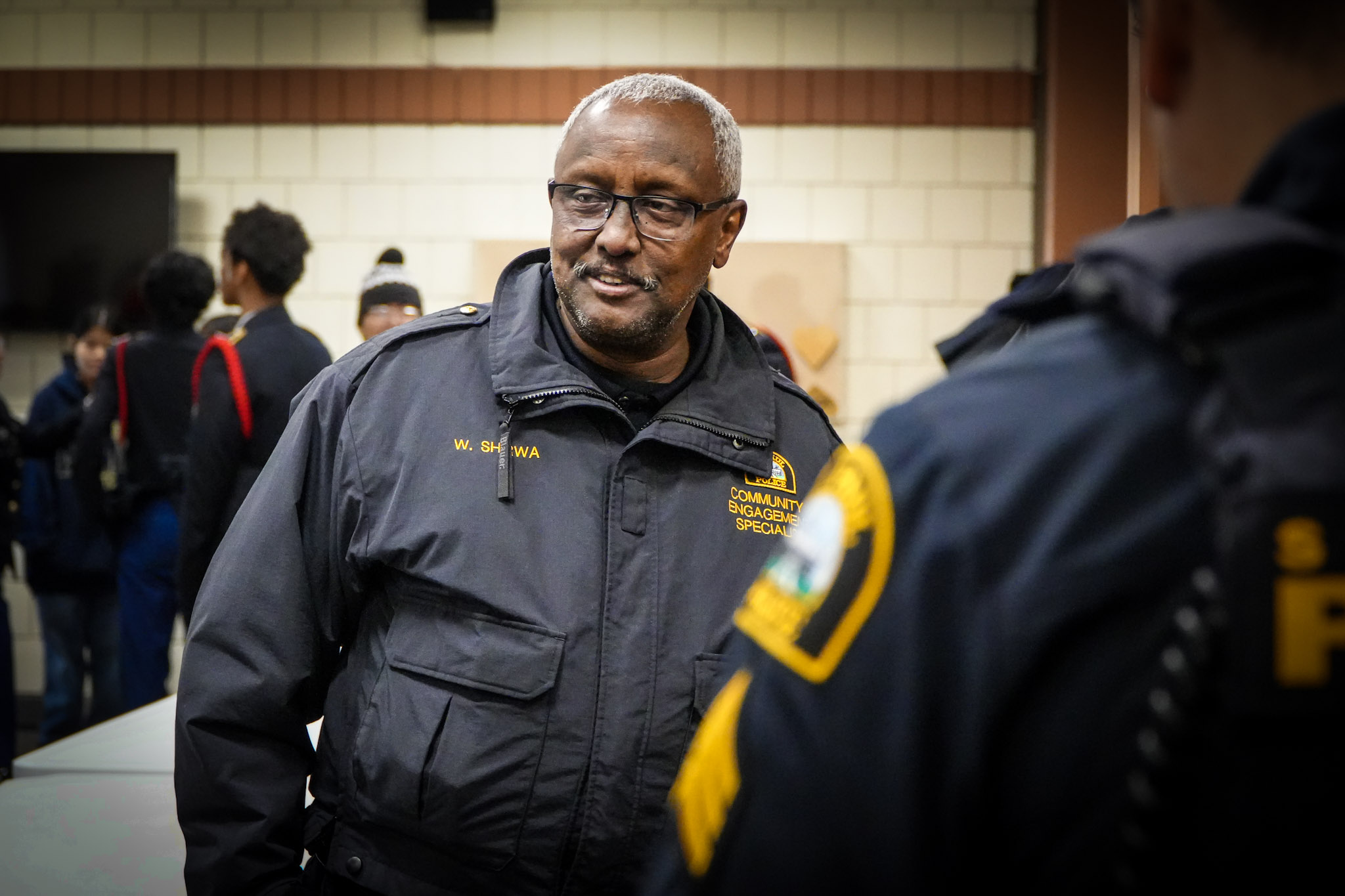
An older black man in an SPPD community liaison officer windbreaker. He talks with officers and young people in a school gym.

Community Liaison Officer

Are you fluent in Spanish, Somali, Hmong, or another language spoken in Saint Paul? As a Community Liaison Officer (CLO), use your language skills to serve the community while making good money, gaining experience, and studying for your law-enforcement degree. 

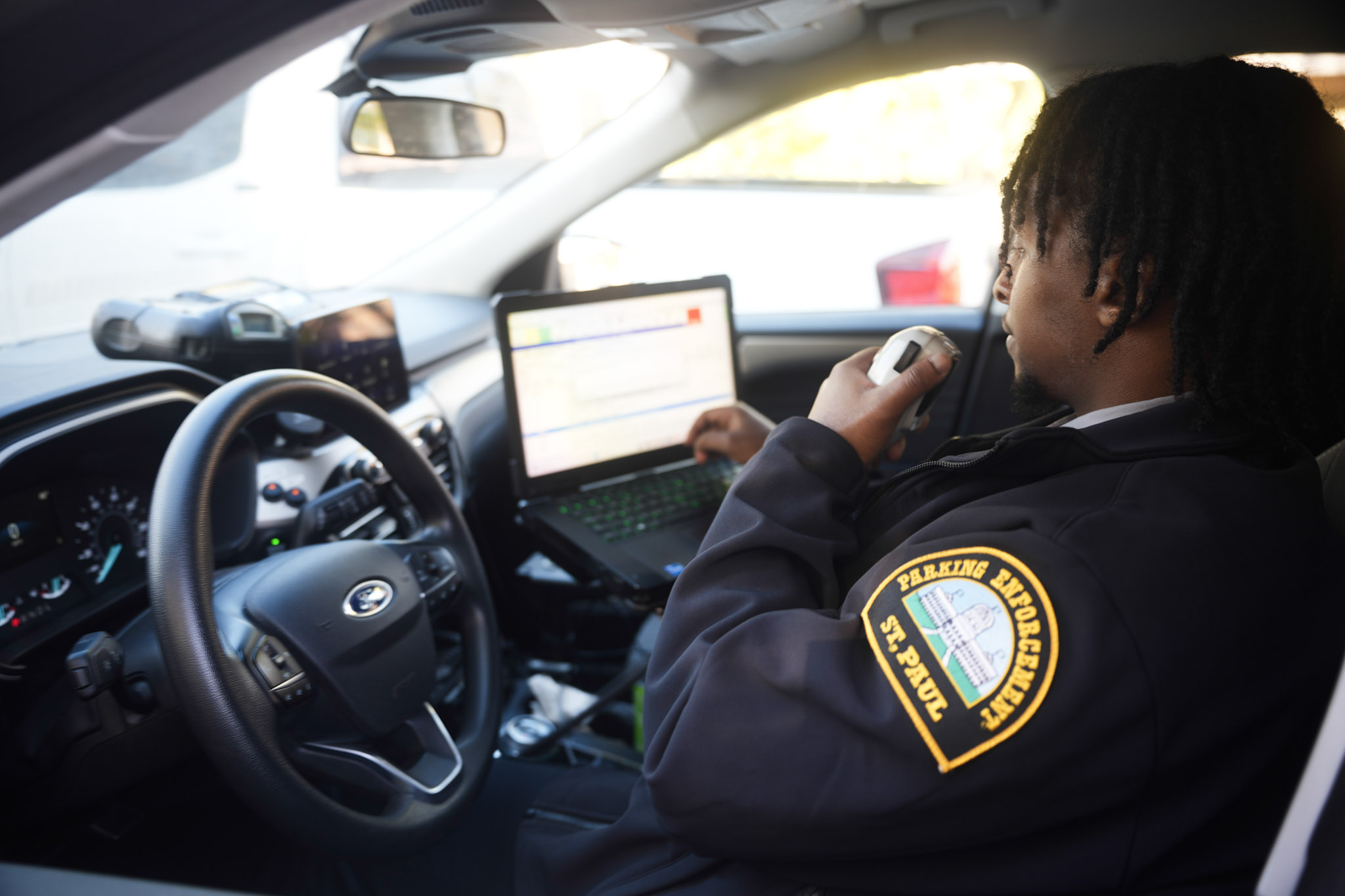
A young black man in an SPPD Parking Enforcement Uniform radios a colleague while looking something up on a laptop while parked in his car.

Parking Enforcement Officer

As a Parking Enforcement Officer, you will help keep Saint Paul’s streets safe and earn good money while earning your law enforcement degree. Once you graduate, you will have a competitive edge when you apply to join the SPPD as a sworn officer.

Limitless Opportunities

As a SPPD officer, you can take your law enforcement career in almost any direction. In this drone video, you can see some of our more than 30 specialty units in action across the many neighborhoods of the “Saintly City,” where every shift is unique.

Over 30 Specialty Units

After just three years on patrol, you will be eligible to join a specialty unit, where you can develop your unique talents and interests with some of the best law enforcement talent there is. Here are just some of the SPPD units you could join:

Ask About Specialty Units

Frequently Asked Questions

Here are some of the questions we get most from people who are interested in joining the SPPD. If you have a question that isn’t covered here, just get in touch and we will be glad to answer.